
Structuring Your Wardrobe When You Realize "I Love My Boho Style"
Discovering a personal aesthetic often begins with a process of elimination. You might try on sleek, modern silhouettes only to find them restrictive, or experiment with athletic wear that feels too utilitarian. When you reach the point where you say, "I love my boho style," you are not just choosing a fashion category; you are prioritizing freedom, texture, and a specific kind of eclectic comfort. This analysis breaks down the components of this style through a step-by-step comparison lens, helping the curious beginner understand exactly what makes this aesthetic work and how to build it deliberately.
Scenario 1 – Standing Before a Monochrome vs. Maximalist Choice
The first practical step in defining this look is the approach to color and pattern. A minimalist wardrobe relies on a monochromatic palette, where the goal is to reduce visual noise. In contrast, the boho aesthetic embraces maximalism, but there is a distinct analytical difference between chaotic clutter and curated eclecticism. When selecting a patterned tunic or skirt, compare the base color to the accent hues. A successful piece often features a grounded, earthy base—like terracotta, olive, or mustard—populated with intricate floral or geometric designs. This allows the garment to act as a statement piece without overwhelming the observer. The practical note here is to balance busier patterns with solid, textured neutrals, such as a chunky knit cardigan or plain denim, to create visual breathing room.
Scenario 2 – Navigating the Accessories Aisle
Jewelry serves a structural function in this aesthetic that differs significantly from fine jewelry trends. Where modern styles might focus on a single, delicate diamond solitaire, the boho approach relies on accumulation and storytelling. Consider the weight and material of your accessories. A comparison between lightweight, delicate chains and heavy, hammered metals reveals that the latter adds the necessary visual weight to anchor flowing fabrics. When you browse for pieces, look for turquoise, amber, or raw silver elements. The tactile experience matters; a leather cuff or a stack of beaded bracelets should feel substantial. Practical advice dictates that you mix metals freely—gold with silver is not only acceptable but encouraged—to maintain an organic, collected-over-time appearance rather than a "bought as a set" uniformity.
Scenario 3 – Evaluating Comfort in Heels vs. Sandals
Footwear is often the clearest indicator of a dedication to the boho philosophy because it forces a comparison between structure and ease. High heels or rigid pointed boots prioritize silhouette over comfort, which generally conflicts with the free-spirited nature of the style. Instead, the analytical choice shifts toward flat, supportive options. Leather sandals with intricate crisscross straps, suede ankle boots, or espadrilles allow for extended wear without sacrificing the mood. The practical benefit is twofold: these shoes pair equally well with long maxi skirts as they do with cropped denim, and they ground the outfit in a relaxed reality. When examining potential purchases, check the flexibility of the sole; a stiffer shoe often looks too industrial, while a pliable sole moves naturally with the foot.
Scenario 4 – Selecting Fabrics for a Travel Wardrobe
Finally, understanding the tactile difference between synthetic blends and natural fibers is crucial for mastering this style. If you hold a polyester blouse next to a rayon, linen, or cotton voile top, the drape changes entirely. The boho aesthetic relies heavily on "drape"—the way fabric falls and moves around the body. Synthetic fabrics often retain a static shape that looks stiff, whereas natural fibers create a soft, billowing silhouette that defines the look. For a beginner building a functional wardrobe, the practical step is to check the label. Prioritize breathable materials that soften with age and wash. These fabrics not only look better but also regulate temperature more effectively, aligning the aesthetic choice with physical comfort.
Discovering a personal aesthetic often begins with a process of elimination. You might try on sleek, modern silhouettes only to find them restrictive, or experiment with athletic wear that feels too utilitarian. When you reach the point where you say, "I love my boho style," you are not just choosing a fashion category; you are prioritizing freedom, texture, and a specific kind of eclectic comfort. This analysis breaks down the components of this style through a step-by-step comparison lens, helping the curious beginner understand exactly what makes this aesthetic work and how to build it deliberately.
Scenario 1 – Standing Before a Monochrome vs. Maximalist Choice
The first practical step in defining this look is the approach to color and pattern. A minimalist wardrobe relies on a monochromatic palette, where the goal is to reduce visual noise. In contrast, the boho aesthetic embraces maximalism, but there is a distinct analytical difference between chaotic clutter and curated eclecticism. When selecting a patterned tunic or skirt, compare the base color to the accent hues. A successful piece often features a grounded, earthy base—like terracotta, olive, or mustard—populated with intricate floral or geometric designs. This allows the garment to act as a statement piece without overwhelming the observer. The practical note here is to balance busier patterns with solid, textured neutrals, such as a chunky knit cardigan or plain denim, to create visual breathing room.
Scenario 2 – Navigating the Accessories Aisle
Jewelry serves a structural function in this aesthetic that differs significantly from fine jewelry trends. Where modern styles might focus on a single, delicate diamond solitaire, the boho approach relies on accumulation and storytelling. Consider the weight and material of your accessories. A comparison between lightweight, delicate chains and heavy, hammered metals reveals that the latter adds the necessary visual weight to anchor flowing fabrics. When you browse for pieces, look for turquoise, amber, or raw silver elements. The tactile experience matters; a leather cuff or a stack of beaded bracelets should feel substantial. Practical advice dictates that you mix metals freely—gold with silver is not only acceptable but encouraged—to maintain an organic, collected-over-time appearance rather than a "bought as a set" uniformity.
Scenario 3 – Evaluating Comfort in Heels vs. Sandals
Footwear is often the clearest indicator of a dedication to the boho philosophy because it forces a comparison between structure and ease. High heels or rigid pointed boots prioritize silhouette over comfort, which generally conflicts with the free-spirited nature of the style. Instead, the analytical choice shifts toward flat, supportive options. Leather sandals with intricate crisscross straps, suede ankle boots, or espadrilles allow for extended wear without sacrificing the mood. The practical benefit is twofold: these shoes pair equally well with long maxi skirts as they do with cropped denim, and they ground the outfit in a relaxed reality. When examining potential purchases, check the flexibility of the sole; a stiffer shoe often looks too industrial, while a pliable sole moves naturally with the foot.
Scenario 4 – Selecting Fabrics for a Travel Wardrobe
Finally, understanding the tactile difference between synthetic blends and natural fibers is crucial for mastering this style. If you hold a polyester blouse next to a rayon, linen, or cotton voile top, the drape changes entirely. The boho aesthetic relies heavily on "drape"—the way fabric falls and moves around the body. Synthetic fabrics often retain a static shape that looks stiff, whereas natural fibers create a soft, billowing silhouette that defines the look. For a beginner building a functional wardrobe, the practical step is to check the label. Prioritize breathable materials that soften with age and wash. These fabrics not only look better but also regulate temperature more effectively, aligning the aesthetic choice with physical comfort.
What Love Can Do Quotes At Sally Patrick Blog
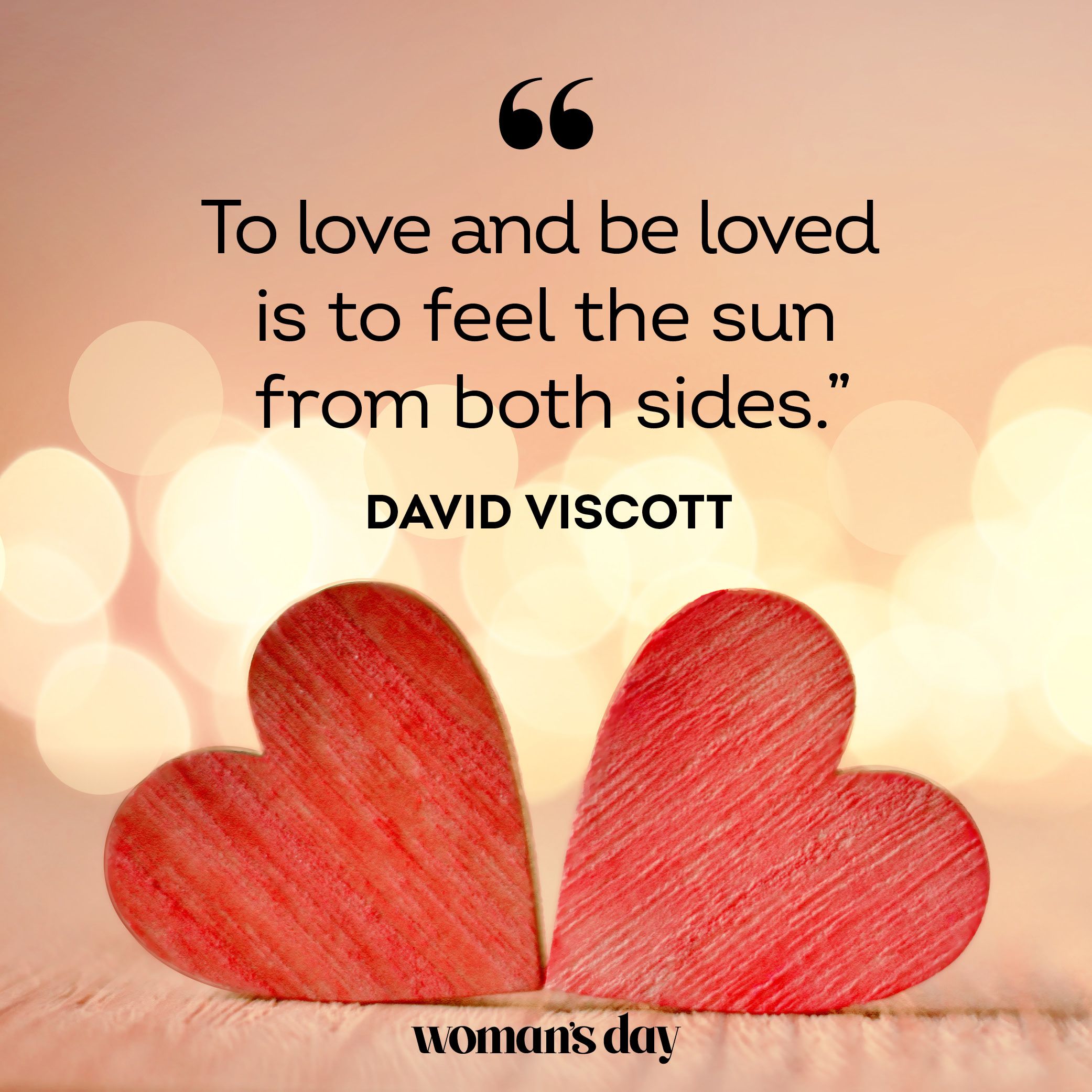
What Love Can Do Quotes at Sally Patrick blog
I Love You Photos For Her
I Love You Photos For Her
I Love You India: фотографии в высоком качестве
I love you india: фотографии в высоком качестве
Images Of Love Symbols
Images Of Love Symbols
I Love You Cute Couple
I Love You Cute Couple